
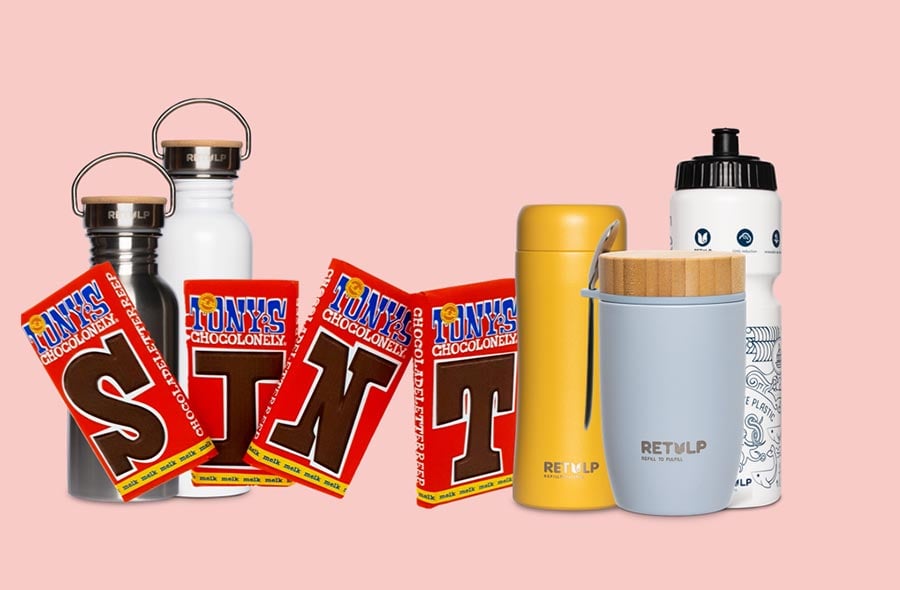
Sinterklaas has left: here's how to recycle packaging
Sinterklaas is among the most popular Dutch holidays, with millions of gifts being wrapped in paper, plastic and other materials every year. These packaging materials generate significant amounts of waste that contribute to national waste generation. Recycling these materials reduces the burden on landfills and lowers the need for primary raw materials for new packaging production.
Recycling packaging materials during Sinterklaas supports the principle of the circular economy, where materials are reused instead of being disposed of at waste treatment facilities. This process reduces the ecological footprint of the celebration and contributes to employment in the Dutch recycling sector. Proper waste separation and recycling of packaging materials are concrete measures to reduce the environmental impact of celebration activities.
Discover Retulp s sustainable products and contribute to a better environment.
Summary
- Recycling Sinterklaas packaging is essential to reduce the environmental impact of the celebration.
- Separating waste correctly after Sinterklaas helps efficiently recycle materials such as paper and cardboard.
- Sustainable packaging alternatives contribute to less waste and a greener celebration.
- Sinterklaas and his helpers can set an example in promoting recycling and environmental awareness.
- Creative packaging reuse options encourage sustainability and reduce waste during the holidays.
How to recycle Sinterklaas packaging the right way
Recycling Sinterklaas packaging starts with properly separating materials. Many people are unaware that not all packaging is equally recyclable. Paper packaging, such as gift wrap, can often be recycled, but only if it has not been treated with gloss or other coatings.
It is important to check that the paper is free of plastic or other non-recyclable materials before throwing it in the paper bin. There are also special rules for recycling cardboard, such as that it must be clean and dry. Plastic containers, such as foil or plastic bags, require a different approach.
These materials often cannot be thrown into regular paper or glass bins. Instead, they must be taken to special plastic waste collection points. It is also helpful to look at the symbols on packaging; these indicate whether a product is recyclable and how it should be disposed of.
By following these guidelines, we can ensure that our Sinterklaas packaging is recycled properly and that it does not contribute unnecessarily to the waste mountain.
Tips for separating waste after Sinterklaas: what can be recycled and what cannot
After the party, it's time to clean up the mess and separate the waste. A good way to do this is to have a clear system for separating different types of waste. Start by collecting all packaging and sorting it by type of material.
Paper and cardboard packaging can usually go in the paper bin together, while plastic packaging should be kept separate. Be sure to also consider other materials such as glass or metal, which are often also found in gift packaging. It is also important to know what cannot be recycled.
Packaging that is contaminated with food residue or other substances often cannot be recycled and must go in the residual waste bin. This also applies to certain types of gift paper treated with gloss or glitter, as these materials can interfere with the recycling process. By paying close attention and consciously separating, we can ensure that as much waste as possible is recycled and that we minimize our impact on the environment.
Sustainable alternatives for Sinterklaas packaging: less waste, more eco-friendly
With growing concerns about environmental pollution, sustainable alternatives to traditional Sinterklaas packaging have become increasingly popular. One of the most effective ways to reduce waste is to use reusable packaging. Consider fabric bags or boxes that can be used over and over again for wrapping gifts.
These options are not only more environmentally friendly, but also add a personal touch to the gifts. There are also innovative materials available that are biodegradable or made from recycled materials. For example, gift paper made from recycled paper or even seed paper that can be planted after use offers a unique and sustainable way to wrap gifts.
By choosing these alternatives, we can not only reduce our carbon footprint, but also inspire others to be more conscious about their consumption during the holidays.
The role of Sinterklaas and his helpers in promoting recycling and sustainability
| Type of packaging | Recyclable material | Recycling instructions | Recycling tips |
|---|---|---|---|
| Gift paper | Paper | Remove tape and ribbons, put in the paper bin | Use as wrapping paper for small gifts or craft projects |
| Cardboard (e.g. shoebox) | Cardboard | Flatten it and put it in the cardboard bin | Save for storage or turn them into toys |
| Plastic film | Plastic | Not always recyclable through regular waste collection, check local rules | Reuse as protective film or for crafts |
| Ribbons and bows | Mixed material | Mostly not recyclable, throw in residual waste | Save for next year or use in decorations |
| Plastic packaging (e.g., bags) | Plastic | Hand in at plastic collection point if clean | Reuse for storing small items |
Sinterklaas and his helpers have a unique position as cultural icons in the Netherlands and can play an important role in promoting recycling and sustainability. By creating awareness around environmentally friendly practices during the holiday season, they can set an example for young and old alike. This can be done, for example, through campaigns focusing on the importance of recycling and using sustainable materials for gifts and packaging.
In addition, Sinterklaas and his helpers can also get involved in local initiatives aimed at waste reduction and recycling. This can range from participation in events to educational programs in schools where children learn about sustainability and recycling. By conveying this message in a playful and accessible way, they can help raise awareness and commitment to environmentally friendly practices during Sinterklaas.
Creative ways to reuse Sinterklaas packaging: from craft projects to storage solutions
After Sinterklaas, there is often a lot of packaging left over that would otherwise be thrown away. A creative way to give these packages a new life is to reuse them for craft projects. Think, for example, of making Christmas decorations or cards from old gift paper.
Children can be involved in these activities, which is not only fun but also contributes to their creativity and awareness about recycling. In addition, some packaging can also serve as storage solutions in the home. For example, cardboard boxes can be used to store toys or other items, while sturdy paper bags are handy for organizing small items.
By reusing these materials, we not only reduce waste, but also create practical solutions to everyday problems.
The importance of awareness and education around recycling and waste separation, especially during holidays such as Sinterklaas
Raising awareness around recycling and waste separation is crucial, especially during busy holidays like Sinterklaas when the amount of waste increases significantly. Education plays a key role here; by making people aware of the impact of their choices, we can encourage behavioral change. Schools, communities and organizations can develop programs aimed at educating children and adults about the importance of recycling and how to apply it effectively in their daily lives.
In addition, social media and local campaigns can also contribute to this awareness. Sharing tips on how to celebrate sustainably or how to recycle packaging can inspire others to do the same. By working together on educational initiatives, we can create a culture where sustainability is central, not only during St. Nicholas but throughout the year.
How to celebrate Sinterklaas with respect for the environment: tips for a sustainable and eco-friendly Saint Nicholas Eve
Celebrating Sinterklaas does not have to come at the expense of the environment; there are plenty of ways to make this celebration sustainable and eco-friendly. Start by choosing durable gifts that last a long time or are made from recycled materials. This not only reduces waste, but also supports businesses that are committed to sustainability.
In addition, you can choose to give gifts without packaging or use reusable packaging such as cloth bags or boxes. This significantly reduces the amount of waste created during the party. You can also organize a "gift exchange" with friends or family where everyone brings something they no longer use themselves; this encourages reuse and reduces new purchases.
By applying these tips, we can ensure that Sinterklaas remains a celebration that not only brings joy, but also shows respect for our planet. It is possible to continue traditions while doing our part to create a more sustainable world.
The article "Sinterklaas has left: this is how to recycle packaging" emphasizes the importance of being waste conscious, especially during holidays. For more information on sustainable initiatives, you can also read the article on the Fair Future Challenge 2025, in which Retulp is in the finals. This article offers insight into how companies are working toward a better future. You can find it here: Retulp in the finals of the Fair Future Challenge 2025.
FAQs
What is Sinterklaas and when is it celebrated?
Sinterklaas is a traditional celebration in the Netherlands and Belgium, during which the good saint Sinterklaas brings presents to children. It is celebrated on Dec. 5 in the Netherlands and on Dec. 6 in Belgium.
Why is it important to recycle Sinterklaas packaging?
Recycling packaging helps reduce waste, save resources and protect the environment. A lot of packaging material is often used during Sinterklaas, so recycling contributes to a more sustainable holiday season.
What types of packaging are commonly used during Sinterklaas?
Commonly used packaging includes gift paper, cardboard boxes, plastic wrappers, and ribbons. Chocolate letters and candy are also often wrapped in foil or cardboard.
How to recycle gift paper from Sinterklaas?
Gift paper without gloss or foil can usually go with the scrap paper. Glossy or metallic paper belongs in the residual waste, because it is not easy to recycle.
What to do with plastic packaging from Sinterklaas?
Plastic packaging can often go in the plastic waste (PMD). Make sure they are clean and empty before you throw them away.
Can I recycle ribbons and bows?
Ribbons and bows are usually not recyclable and belong in the residual waste. Reuse them for next year if necessary.
How to reuse packaging after Sinterklaas?
You can save cardboard boxes for storage or craft projects, reuse gift paper for new gifts, and save ribbons for decoration.
Where can I find more information about recycling Sinterklaas packaging?
Local municipalities often offer information on waste separation and recycling. Websites of waste management companies and environmentally conscious organizations also provide tips on recycling holiday packaging.

