
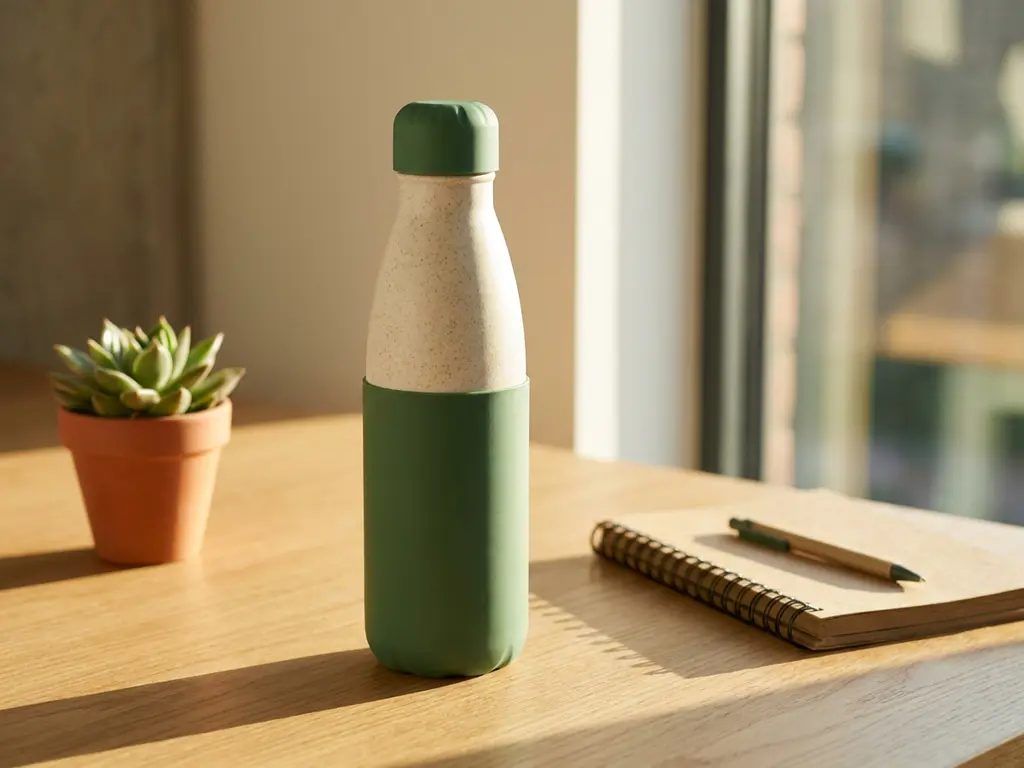
How do you communicate the sustainability value of an organic sports water bottle to employees?
An organic sports water bottle is more than a sustainable alternative to plastic bottles - it is a powerful tool to engage employees in your organization's sustainability mission. The key lies in clear communication about the tangible impact: one reusable water bottle replaces an average of 1,000 disposable bottles per year and contributes directly to cleaner drinking water in developing countries. By linking these tangible benefits to personal values and organizational goals, you transform a simple gift into a meaningful statement.
Why does unclear sustainability communication create cynical employees?
When employees are not given concrete information about the impact of sustainable initiatives, skepticism and resistance arise. They see an organic sports water bottle as "just another green marketing trick" rather than an informed choice with measurable impact. This cynical attitude not only undermines the specific initiative, but also damages the organization's confidence in future sustainability projects.
Transparent communication about material sourcing, production process and social impact breaks this cycle of skepticism. For example, tell people that organic water bottles are made from sugarcane waste, are completely BPA-free and that every purchase contributes to drinking water projects. These specific details make the difference between a superficial gesture and an authentic sustainability initiative.
How do you get employees to experience the personal benefits of sustainable choices?
Employees only really get involved in sustainability when they experience the direct benefits for themselves. An organic sports water bottle that leaks, gives a weird taste or is awkward to use is counterproductive - regardless of how sustainable the material is. This creates a negative association with sustainable products and reduces willingness for future participation.
So focus on the practical benefits: organic water bottles are lighter than stainless steel alternatives, keep drinks at temperature and are completely taste and odor-free. Organize trial moments where employees can test different models and let them experience for themselves how comfortable and functional sustainable alternatives are. This hands-on approach creates authentic ambassadors within your organization.
✉ Request price list →Why is it important to explain the sustainability value of an organic sports water bottle to employees?
Effective sustainability value communication transforms employees from passive recipients to active ambassadors of your organizational values. When employees understand why their organic sports water bottle contributes to global water supply and plastic reduction, they become proud of their role in this mission. This pride translates into positive word-of-mouth, increased employee engagement and an authentic projection of your sustainable image to customers and partners.
In addition, clear communication helps achieve concrete sustainability goals. Employees who understand the impact of their choices are more likely to make conscious decisions that align with organizational goals. They use their organic sports water bottle more consistently, inspire colleagues to make similar choices and contribute to measurable results such as waste reduction and water conservation.
What makes an organic sports water bottle more sustainable than regular plastic bottles?
Bio water bottles are produced from sugarcane waste, a renewable resource that would otherwise be discarded or burned. This bioplastic is completely BPA-free and biodegradable under industrial composting conditions. Unlike traditional plastic bottles that take centuries to degrade, bio water bottles dissolve in 2-5 years under the right conditions.
The manufacturing process of organic water bottles generates 75% less CO2 emissions compared to conventional plastic production. In addition, one reusable bio water bottle eliminates the need for an average of 1,000 disposable bottles per year. This reduction not only saves resources, but also avoids the environmental impact of transportation, packaging and disposal of all those disposable products.
The lifespan of a high-quality organic water bottle is 3-5 years with normal use, making the total environmental impact per drinking occasion exponentially lower than disposable bottles. These sustainability benefits are further enhanced when the bio water bottle is paired with water donation programs that enable access to clean drinking water in developing countries.
How do you communicate the social impact of sustainable water bottles in a compelling way?
Make abstract concepts like "sustainability" and "social impact" concrete by sharing specific numbers and stories. For example, tell people that every organic water bottle used enables 500 liters of drinking water for families in water-poor areas. This direct link between personal use and global impact makes the story tangible and emotionally relevant.
Use visual aids such as infographics that illustrate the journey from sugar cane waste to a functional water bottle. Show photos of water projects funded by the purchase of organic water bottles and share updates on the progress of these initiatives. This transparency proves that sustainability claims are not marketing pitches, but result in measurable change.
Organize presentations where employees get to know the people behind the numbers. Have representatives from water projects talk about the impact of clean drinking water on their communities. These personal stories create emotional connection and motivate employees to proudly use their organic water bottle as a symbol of their contribution to a better world.
What communication channels work best for sustainability messages to employees?
Internal newsletters and email campaigns are effective for sharing concrete numbers and updates on sustainability projects. Use these channels to send monthly impact reports that show how much plastic has been avoided and how much drinking water has been donated through the use of organic water bottles. These regular updates keep sustainability top-of-mind and show continuous progress.
Social media platforms within the organization, such as Yammer or Teams, facilitate peer-to-peer communication about sustainable choices. Encourage employees to share photos of their organic water bottle in use and exchange experiences. This organic word-of-mouth communication often has more impact than top-down messaging because colleagues trust and inspire each other.
Face-to-face communication during team meetings, lunch-and-learns or sustainability events provides an opportunity for direct interaction and questions. Organize workshops where employees can experience firsthand how organic water bottles are produced or have guest speakers from water projects tell their stories. These personal encounters create deep connection and long-term motivation.
How do you actively engage employees in sustainability initiatives around reusable water bottles?
Create a gamification system where employees earn points for consistently using their organic water bottle. For example, track how many disposable bottles are avoided by department and organize friendly competitions. This playful approach makes sustainability fun and visible, while encouraging concrete behavior change.
Appoint sustainability ambassadors who inform colleagues about the benefits of organic water bottles and coordinate new initiatives. These ambassadors act as a point of contact for questions and suggestions, giving sustainability a face within the organization. Train these ambassadors in effective communication about environmental impact and social projects.
Organize "impact days" where employees themselves contribute to water projects through fundraising or awareness campaigns. For example, have teams create a presentation on water issues in different countries and link it to the impact of their bio water bottle use. This hands-on involvement reinforces a sense of ownership and personal responsibility for sustainability goals.
How Retulp helps with sustainability communication around organic water bottles
We support organizations in effectively communicating the sustainability value of organic water bottles by providing concrete impact metrics and stories that inspire employees. Our team helps develop communication strategies that turn abstract sustainability policies into tangible, personal benefits for your employees.
Our approach includes:
- Personalized impact reports that show how much plastic your organization has avoided
- Visual materials and presentations on water donation projects funded by organic water bottle purchases
- Training for internal ambassadors on effective sustainability communication
- Custom communication templates for different channels within your organization
In addition, we offer high-quality water bottles and sustainable food wraps that fit perfectly with a holistic sustainability strategy. View our full price list or contact us for personal advice on implementing effective sustainability communication in your organization. Together, we'll turn every organic water bottle into a powerful story of positive impact and organizational values. Find out more on our website.
Frequently Asked Questions
How do you convince skeptical employees who see organic water bottles as "greenwashing"?
Start with concrete figures and transparency about the production process. For example, show that one organic water bottle actually replaces 1,000 disposable bottles and show exactly which water projects are funded. Organize a trial period where employees can experience the quality for themselves and invite representatives of water projects to tell their story.
What do you do when employees don't use their organic water bottle consistently?
Analyze the causes first: is it a practical problem (leaking, taste) or lack of motivation? Solve practical problems directly by offering better quality water bottles. For motivation, introduce a tracking system where teams can track their plastic-reduction and organize friendly competitions between departments.
How do you measure the success of your organic water bottle communication strategy?
Track both quantitative and qualitative indicators: the percentage of employees using their water bottle daily, the reduction in disposable bottles in the office, and feedback on commitment to sustainability. Also conduct regular surveys to measure how well employees understand sustainability value and whether they are proud of their contribution.
What common mistakes should you avoid when introducing organic water bottles?
Avoid cheap, poorly functioning water bottles that leak or leave a bad taste—this undermines your entire sustainability message. Also, don’t just focus on environmental impact without emphasizing personal benefits. Ensure there are plenty of refill stations with high-quality water, and don’t forget to provide regular updates on the impact achieved.
How can you integrate organic water bottles into a broader sustainability strategy?
Position eco-friendly water bottles as part of a holistic approach that also includes sustainable food wraps, waste reduction, and energy conservation. Create themed months focused on various aspects of sustainability and demonstrate how all these initiatives collectively contribute to organizational goals. Use the eco-friendly water bottle as a “gateway” to inspire employees to make other sustainable choices.
What is the best timing to introduce organic water bottles into your organization?
Link the introduction to a natural moment such as the start of a new year, World Water Day, or a sustainability week. Avoid busy periods and allow enough time to prepare the communication strategy. Also schedule follow-up moments to share the impact and maintain enthusiasm throughout the year.
Similar Items
- How do I choose a gift for employees that they’ll actually use?
- Which Christmas gift is most appreciated by employees?
- How does an eco-friendly cooler bag, when given as a gift, convey your organization’s sustainability values?
- Is an eco cooler bag suitable as a staff gift at a corporate event or kick-off?
- How do you determine the right budget for corporate gifts?

