
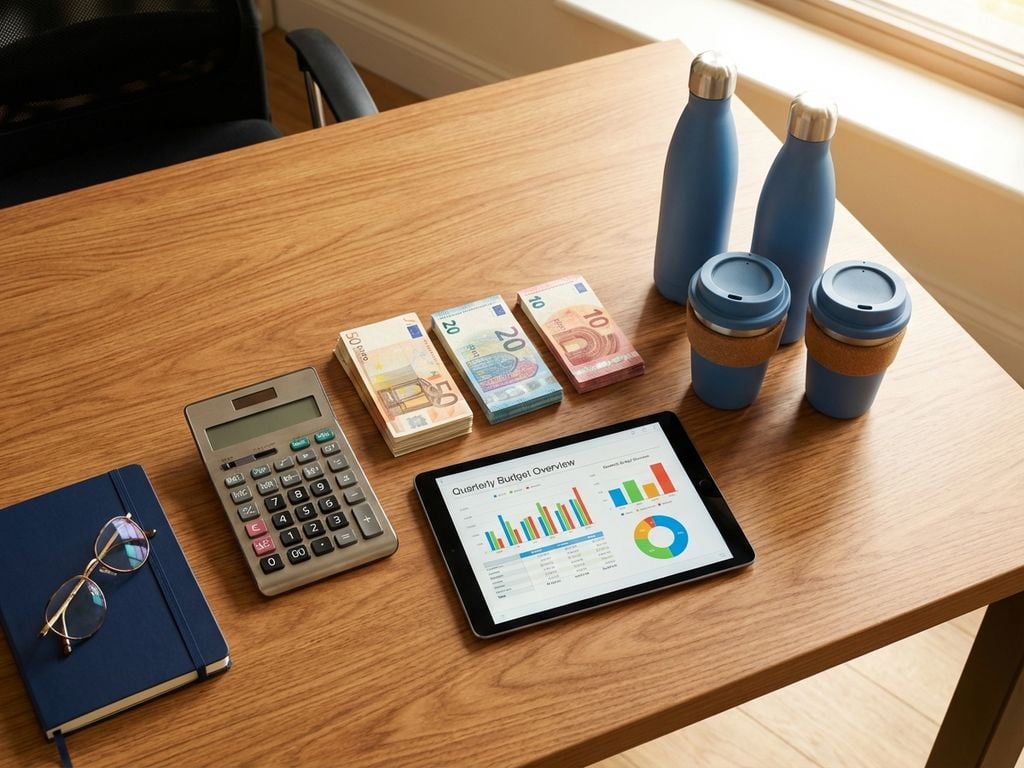
How do you determine the right budget for corporate gifts?
The right budget for corporate gifts is determined by looking at the number of recipients, the occasion and the relationship with the recipient. Smaller companies often spend €15-50 per gift, while larger organizations budget €25-100 per person. You should also consider hidden costs such as personalization and shipping. A good rule of thumb is to set aside 0.5-2% of your turnover annually for corporate gifts.
What are the main factors that determine your budget?
Your budget for corporate gifts depends on five key factors: the number of recipients, the occasion, your company size, the industry and your relationship with the recipients. Together, these elements determine how much you spend per gift and what is appropriate.
The number of recipients has the biggest impact on your overall budget. A team of 20 people requires a different approach than an organization with 500 employees. With larger numbers, you can often take advantage of economies of scale, lowering the cost per piece.
The occasion determines the value of the gift. Christmas gifts for staff usually require a higher budget than a welcome gift for new employees. Anniversaries, retirement or special achievements often warrant a larger budget than regular thank-you gifts.
Your company size and sector influence what is normal. A law firm has different budget standards than a local bakery. Larger companies often have more budget available, but also more people to devise.
The relationship with recipients makes a lot of difference. Top clients tend to receive more expensive gifts than new contacts. Long-term employees are valued differently than temporary workers. This helps you prioritize within your gift budget.
How much do other companies spend on average on corporate gifts?
Dutch companies spend an average of €25-75 per person on corporate gifts, depending on sector and company size. SME companies tend to stay between €15-50, while large organizations budget €50-150 per gift for important relations.
For employee gifts, you'll see different budget ranges by occasion. Christmas gifts range from €20-60 per employee. Anniversary gifts range between €30-100, depending on years of service. Welcome gifts for new employees usually cost €15-40.
For corporate gifts, the budget depends on the value of the relationship. Small thank-you gifts cost €10-25, while gifts for important clients can be €50-200. B2B companies often spend more than B2C organizations because individual customer relationships are more valuable.
Different sectors have different standards. Financial services and consulting companies tend to spend more than non-profits or education. Technology companies often invest heavily in original gifts to retain and recruit talent.
A practical rule of thumb is to set aside 0.5-2% of your sales annually for all corporate gifts combined. This gives you a realistic framework to stay within.
How do you divide your gift budget smartly throughout the year?
Divide your gift budget strategically by setting aside 60% for planned occasions such as Christmas and anniversaries, and keeping 40% free for spontaneous occasions. Plan the biggest spending in the fourth quarter, but spread smaller gifts throughout the year.
Seasonal planning helps keep your budget under control. December often requires 40-50% of your annual budget due to Christmas gifts. In addition, spring and fall are popular times for staff activities and corporate gifts. Summer is usually quieter, perfect for building up reserves.
Prioritize different occasions based on importance. Mandatory occasions such as anniversaries and pensions are prioritized. Christmas gifts are important for team spirit. Spontaneous appreciation for good performance keeps people motivated, but requires flexibility in your budget.
Make an annual plan with set times and keep a buffer for unexpected occasions. Spread large expenses over several months to avoid cash flow problems. When budgets are tight, opt for smaller gifts at more times instead of one expensive gift.
Use seasonal moments smartly. New Year's gifts are often cheaper than Christmas gifts. Summer gifts can be more practical and utilized, such as thermos bottles that employees can use year-round for hot and cold beverages. This helps stretch your budget further.
What are the hidden costs you need to consider?
Hidden costs can increase your gift budget by 20-40%. Think personalization, shipping, packaging, VAT and the time your team spends on it. These additional expenses are often forgotten when budgeting, but they are costs.
Personalization costs add up quickly. Logo printing usually costs €2-8 per item, depending on the technique. Name engraving is more expensive than stickers. Special colors or designs often incur setup costs, especially for small runs.
Shipping and packaging are often underestimated. Individual shipping to home addresses costs €4-8 per package. Beautiful gift wrapping adds €2-5 per item. International shipping involves customs fees and longer delivery times.
Btv should always be included in your calculation. Business gifts fall under the 21% btv unless you have specific exceptions. This significantly increases your actual cost if you forget to include it.
Administrative time also costs money. Picking, ordering, checking and distributing gifts requires hours from your team. Allow for an additional €50-150 per order, depending on complexity and who does it.
Make a checklist of all possible costs: product price, personalization, packaging, shipping, VAT, administration and any rush charges. Add everything up before you decide so you don't get any unpleasant surprises.
Sustainable gifts: a smart investment within any budget
Sustainable corporate gifts offer more value for money because they last longer and exude your corporate values. Reusable products such as travel mugs are used daily, keeping your brand visible for a long time. This significantly increases the impact of your gift budget.
The benefits of sustainable corporate gifts are manifold. First, they show that your company is doing socially responsible business, which is increasingly important to employees and customers. Second, reusable products have a longer lifespan, allowing the recipient to enjoy them longer.
White label options make sustainable gifts even more attractive to businesses. You can have products fully personalized in your corporate identity, from color to logo. This creates a professional look that perfectly matches your brand identity while promoting sustainability.
For the workplace, sustainable gifts are especially practical. Employees use reusable products daily, constantly reminding them of their employer's appreciation. This contributes to a positive work atmosphere and reinforces the corporate culture.
Sustainable gifts are available in all price categories. From practical eco gadgets around €15 to premium gift sets of €75 and more. Due to their longevity, they offer excellent value for money regardless of your budget.
How Retulp helps choose the ideal corporate gift within your budget
We help you determine the right budget by looking at your specific situation together. Our team advises on realistic budgets for each occasion and shows what gift options are within your reach, so there are no surprises.
Our approach to budget setting:
- Free consultation where we discuss your needs and budget
- Transparent pricing with all costs clearly stated
- Flexible solutions that fit within different budget ranges
- No hidden costs - you know exactly where you stand
- Customization within budget through smart personalization options
We understand that every budget is different. That's why we have sustainable gifts in different price categories, from practical items around €15 to premium gifts of €75 and more. With our experience, we know exactly which combination of product, personalization and service best suits your budget.
Want to know what gift options are available within your budget? Contact us for a no-obligation consultation. We will be happy to help you make the right choice without exceeding your budget.
Frequently Asked Questions
How do I adjust my budget as my business grows?
Start with a fixed amount per employee and gradually increase it. When growing from 20 to 50 employees, you can often reduce the budget per person slightly due to economies of scale, but the total budget does increase. Review your budget annually and apply the 0.5-2% turnover rule to remain realistic.
What do I do if I run out of my gift budget halfway through the year?
Focus on cheaper alternatives such as handwritten thank-you bills or small thoughtful gifts under €10. Shift non-urgent gifts to next year and prioritize only obligatory moments such as anniversaries. Learn from this for better budget allocation next year.
Should I use different budgets for different job levels?
Yes, this is common and practical. Management and senior staff are often given 20-50% higher budgets than junior staff. Do ensure transparent criteria and communicate this clearly to avoid jealousy. Base differences on responsibilities and seniority.
How do I calculate the ROI of my gift budget?
Measure soft factors such as employee satisfaction, retention and customer loyalty before and after gift giving. Also track tangible things like reductions in absenteeism or increases in recommendations. A good rule of thumb: if gifts contribute to 5% less employee turnover, they pay for themselves.
Can I deduct gift expenses from the tax?
Yes, business gifts are usually deductible as business expenses, provided they have a business purpose. Note that gifts to your own staff may be considered wages in kind above €50 per year. Consult your accountant for the exact rules and document the business purpose of each gift.
What is a realistic start-up budget for a new business?
Start small with €500-1000 per year for your first 10 employees. Focus on a few key moments like Christmas and anniversaries. Choose simple gifts of €15-25 per person and gradually build up the budget as your company grows and has more cash flow.
How do I prevent gift costs from getting out of hand?
Set an annual budget and track it in a spreadsheet. Distinguish between “must-have” gifts (anniversaries, Christmas) and “nice-to-have” occasions. Always order gifts well in advance to avoid rush fees, and compare prices from multiple suppliers before making a decision.
Related Articles
- What is a sustainable Christmas gift that employees will truly appreciate?
- Which gift for coworkers is most appreciated in the workplace?
- What is a reusable lunch bag, and why is it a conscious choice as a corporate gift?
- Why is it important to think about the recipient when choosing gifts?
- What are the benefits of personalized corporate gifts for your business?

