
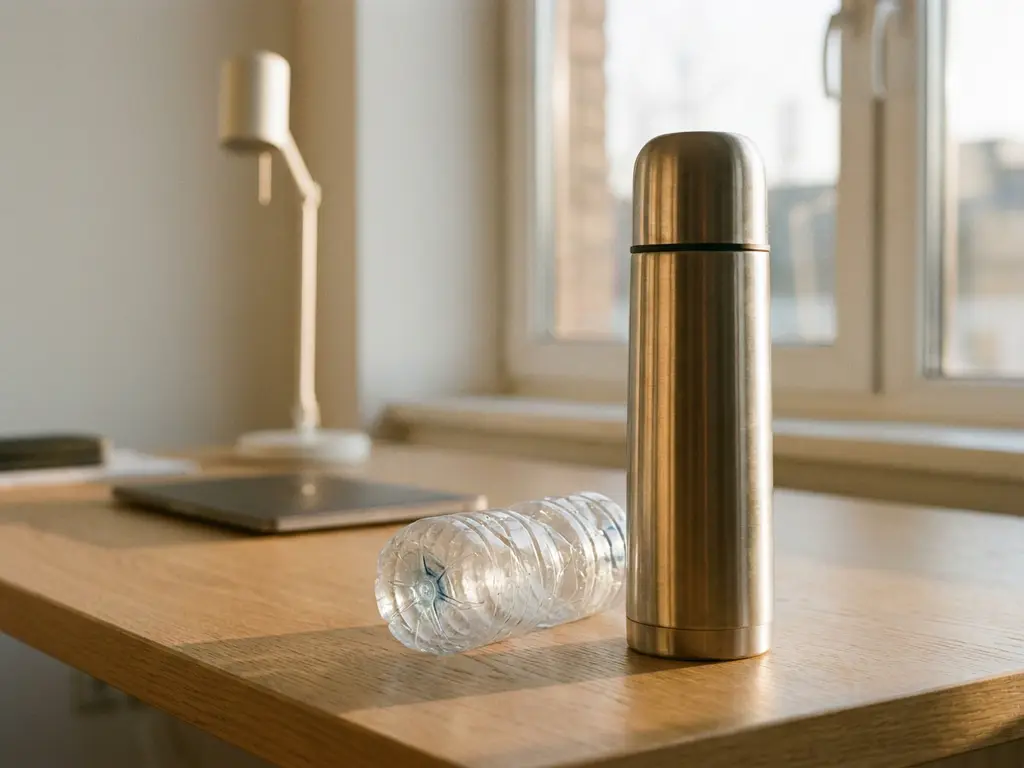
Why do facility managers choose a stainless steel thermo bottle over a cheaper plastic variety?
Facility managers face an important choice: invest in a stainless steel thermos or opt for a cheaper plastic variety? The answer is clear. Stainless steel thermos offer superior insulation, last for years longer, are completely BPA-free and support the sustainability goals of modern organizations. Although the purchase price is higher, they are more cost-effective in the long run due to their longevity and professional appearance.
Why do plastic thermos cost your organization more than you think?
Plastic thermo bottles seem like a budget-friendly choice, but hide hidden costs that facility managers often overlook. These bottles lose their insulating capacity after several months, preventing employees from keeping their beverages at the desired temperature. The result? Dissatisfaction and the need to purchase new bottles. In addition, plastic bottles can release BPA substances, posing health risks and making your organization vulnerable to negative publicity. The solution lies in choosing sustainable alternatives that eliminate these problems from day one.
How does a bad thermo bottle undermine your company's professional image?
A cheap plastic thermo bottle as an employee gift or corporate gift sends the wrong message about your organization. Employees and associates immediately associate the quality of the gift with the quality of your company. When the bottle cracks or loses its insulating capacity after a few weeks, it reflects negatively on your brand image. Moreover, organizations miss the opportunity to demonstrate their sustainability commitment, which is increasingly important for talent acquisition and customer relations. A high-quality stainless steel thermo bottle, on the other hand, reinforces your professional image and shows that you are investing in quality and sustainability.
What is the difference between a stainless steel thermo bottle and a plastic one?
The fundamental difference between stainless steel and plastic thermo bottles lies in the material composition and construction. Stainless steel thermo bottles consist of 18/8 stainless steel with double-walled vacuum insulation, while plastic variants are usually single-walled with limited insulation capabilities. Stainless steel bottles keep drinks hot for an average of 6 hours and cold for 8 hours, while plastic bottles rarely maintain this performance for more than 2-3 hours.
The construction of stainless steel bottles also eliminates the risk of BPA exposure, a chemical found in many plastic products. Stainless steel is naturally antibacterial and does not absorb odors or flavors, making the bottle suitable for a variety of beverages such as fruit juices, milk or iced tea. Plastic bottles, on the other hand, can develop odors over time and are more susceptible to scratching and discoloration.
📧 Want to learn more about our sustainable thermos bottles?
Why are stainless steel thermo bottles more durable than plastic alternatives?
Stainless steel thermo bottles score significantly better on sustainability aspects due to their longevity and recyclability. Whereas plastic bottles last 6-12 months on average, stainless steel bottles remain functional for years with normal use. This means less waste and a lower environmental impact per year of use.
The manufacturing process of stainless steel bottles also contributes to sustainability. These bottles are made from as much recycled steel as possible and are 100% recyclable at the end of their useful life. Plastic bottles often contain new plastics and are more difficult to recycle due to the different layers of material and chemical additives.
For organizations complying with Single-Use Plastics legislation, stainless steel bottles are the ideal solution. They help companies reduce their packaging waste by up to 90% and support concrete sustainability goals. Each stainless steel bottle replaces hundreds of disposable cups and plastic bottles over its lifetime.
How does the cost compare between stainless steel and plastic thermo bottles in the long run?
Although stainless steel thermo bottles require a higher initial investment, they are more cost-effective in the long run. A quality stainless steel thermo bottle costs an average of €15-25 each for larger orders, while plastic variants are around €5-10. However, this investment pays for itself quickly due to its longevity.
Total cost of ownership shows the real difference. A stainless steel bottle lasts 3-5 years, while plastic bottles must be replaced annually. Over a 5-year period, you pay €25-50 per employee for plastic bottles, versus a one-time investment of €15-25 for stainless steel. In addition, you save administrative costs through less frequent re-purchases.
For facility managers, this also means less time investment in purchasing and distribution. Stainless steel bottles reduce complaints about defective products and create employee satisfaction, which indirectly contributes to productivity and employee satisfaction.
What practical benefits do stainless steel thermo bottles offer in office environments?
Stainless steel thermo bottles offer tangible benefits that improve everyday office life. Superior insulation means employees keep their coffee or tea hot longer, which is especially valuable during long meetings or when working from home. The robust construction prevents leaks in laptop bags or on desks, avoiding costly damage.
Maintenance is easier than plastic alternatives. Stainless steel bottles are easy to clean due to their large opening and rounded corners. They do not develop unpleasant odors and retain their professional appearance even after intensive use. For offices with dishwashers, many stainless steel bottles are suitable for cleaning at low temperatures, although hand washing is recommended for optimum durability.
Personalization options make stainless steel bottles ideal for team building and brand recognition. Engravings and logos remain visible for years, while printing on plastic often fades. This makes them perfect for employee gifts, corporate gifts or as part of welcome kits for new employees.
How Retulp helps with sustainable thermos bottles for your organization
We understand the challenges facility managers face when choosing the right thermal bottles. That's why we offer an extensive range of high-quality stainless steel thermos that perfectly meet the needs of modern organizations.
Our benefits for your organization:
- All-in prices with no hidden costs - including printing, transport and charitable donations
- Flexible personalization with logos, names or unique designs
- Proven sustainability impact - every bottle contributes to drinking water donations through our partners
- Personal advice based on your specific situation and budget
- Fast delivery times thanks to our large stock
Whether you are looking for staff gifts, corporate gifts or a complete office solution, we are happy to think with you. Contact us for personal advice or request our price list directly to discover the possibilities. Also visit our website for the complete overview of sustainable solutions that perfectly fit your organization.
Frequently Asked Questions
How can I convince my team to switch from plastic to stainless steel thermo bottles?
Start with a pilot where you hand out a limited number of stainless steel thermo bottles to enthusiastic employees. Their positive experiences and word of mouth will convince others. Present the business case with concrete figures on cost savings and sustainability benefits. Organize a demonstration where employees can experience the difference in insulating power for themselves.
What should I do when employees complain that stainless steel thermo bottles are too heavy?
Modern stainless steel thermo bottles weigh only 300-400 grams, comparable to a filled plastic bottle. The weight difference is minimal, but the benefits are enormous. Explain that the slightly extra weight outweighs the superior insulation and durability. Opt for slimmer models (500ml instead of 750ml) if weight is a real concern.
How do I properly maintain stainless steel thermo bottles to maximize their lifespan?
Rinse the bottle daily with warm water and a drop of dish soap. Use a bottle brush for thorough cleaning. Avoid harsh abrasives and allow the bottle to dry completely before putting on the cap. For stubborn odors: fill with warm water and a teaspoon of baking soda, leave overnight and rinse thoroughly.
Can I personalize stainless steel thermo bottles without compromising the quality?
Yes, laser engraving is the best method for durable personalization. It does not damage the material and remains visible for years. Avoid stickers or temporary printing that can come off. Retulp offers professional engraving services that preserve the integrity of the bottle while perfectly expressing your brand identity.
What are the most common mistakes when purchasing thermo bottles for organizations?
The biggest mistake is choosing on price alone, without considering total cost of ownership. Other common mistakes: ordering too small (higher unit price), not considering different preferences (different sizes/colors), and inadequate communication of benefits to employees. Also plan budget for replacement of lost bottles.
How do I measure the success of my thermal bottle investment?
Track concrete metrics such as: reduction in disposable cups, employee satisfaction via surveys, number of replacement requests, and feedback on professional appearance. Calculate ROI through disposable product savings and reduced replacement costs. Also measure soft benefits such as improved brand perception and contribution to sustainability goals.
Related Articles
- What kind of gift can you give your employees that aligns with your organization’s sustainability goals?
- Why is a PFAS-free sports water bottle a credible choice for CSR-conscious organizations?
- How to choose the right moment to give a corporate gift.
- What are the trends in corporate gifts for 2026?
- How do you create a gift policy for your organization?

