
<iframe data-src="https://www.googletagmanager.com/ns.html?id=GTM-MC3HM3T" height="0" width="0" style="display:none;visibility:hidden" src="data:image/svg+xml;base64,PHN2ZyB3aWR0aD0iMSIgaGVpZ2h0PSIxIiB4bWxucz0iaHR0cDovL3d3dy53My5vcmcvMjAwMC9zdmciPjwvc3ZnPg==" class="lazyload" data-load-mode="1">

Plastic in the ocean

More plastic in the ocean than fish
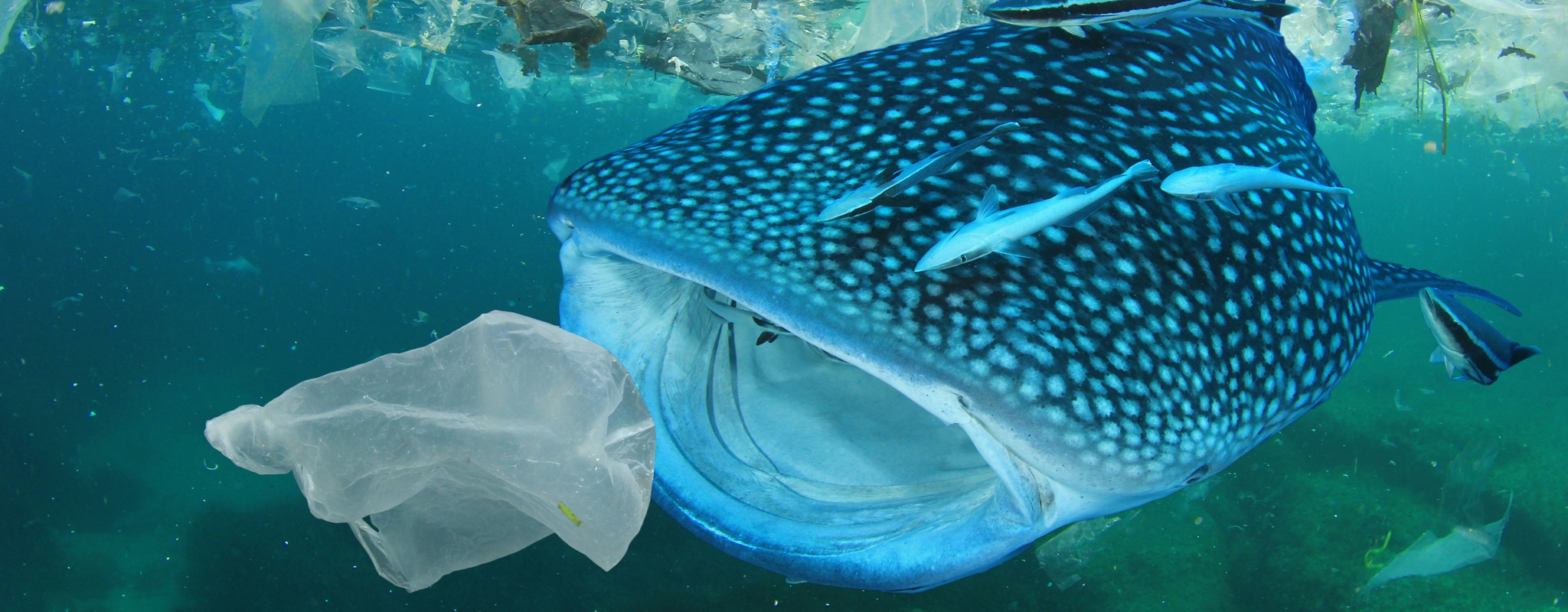
More than 100,000 marine animals die every year because of plastic pollution. If we continue this way, by 2050 there will be more plastic in the ocean than fish. The huge swirls of plastic waste visible on the sea surface represent only the tip of the iceberg. What lies beneath are masses of microplastics that are easily absorbed by marine animals and impossible to remove. But you can help stop this, today!

Plastic pollution

Plastic pollution is the accumulation of plastic waste in nature and the ocean. It affects nature and wildlife habitats. Indirectly, it also affects our own health. Plastic cannot biodegrade, so the waste builds up and releases toxins. Plastic is used in almost everything and often ends up in places where it does not belong. Due to the large use of disposable plastic, this waste mountain will only increase.

The ocean and marine animals

About 8 million tons of plastic end up in the sea every year. From the Arctic to the Antarctic, no corner of the ocean is untouched by this global problem. This plastic causes great harm to countless seabirds and marine animals through entanglement or poisoning. In fact, small pieces of plastic are seen as food by fish, turtles, birds and other marine animals, causing serious injury and often death. In addition, it leads to chemical contamination of the fish we ourselves eat. Over time, the plastic material does not biodegrade, but will break into small particles known as microplastics, which are eaten by small marine animals and thus enter the food chain.

Whale calf poisoned by plastic-tainted breast milk.

Seals get caught in nets.
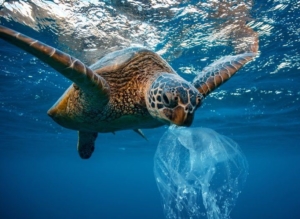
Turtles mistake plastic bags for jellyfish.

What are solutions against plastic pollution in the ocean?

Plastic pollution in the ocean is caused not only by litter on beaches, but mainly by daily use of disposable plastic, microplastics from personal care products, clothing fibers and poor waste management worldwide. A structural approach requires less production of single-use plastic, better recycling, cleaner production chains and conscious consumer choices. By using reusable products, separating waste, buying consciously and supporting organizations committed to circular solutions, you are actually helping reduce ocean pollution. Less plastic consumption means fewer microplastics, cleaner seas, healthier ecosystems and better protection for people and animals.

What can you and Retulp do about this?

Retulp is committed to making the world a better place by offering alternatives to single-use plastic to combat the plastic soup. By saying no to single-use plastic, less plastic ends up in nature and the oceans, resulting in less pollution. Choose a reusable drinking bottle, thermos or lunch box to do your part. As you use your drinking bottle more often, less plastic is produced, saving dozens of disposables per person each year. Moreover, Retulp donates 1000x the content of the bottle to clean drinking water in third world countries! So help close the plastic tap and open the drinking water tap again. This way Retulp is good for yourself, another person and the planet.

Curious about the possibilities for your business?

Frequently asked questions about plastic soup and plastic pollution

Plastic soup is the collective name for large concentrations of plastic waste in the ocean. This is caused by litter, poor waste management, fishing waste, microplastics from clothing and personal care products, and disposable plastic that ends up in rivers and eventually reaches the sea.

Millions of tons of plastic end up in the ocean every year. Large pieces float on the surface, but a large portion sinks or breaks down into microplastics. This makes much of the pollution invisible, but harmful to animals and ecosystems.

Marine animals get entangled in plastic, choke on waste or eat plastic particles because they mistake it for food. This causes injuries, lack of food, suffocation and death. Plastic also affects reproduction, health and behavior of animals.

Microplastics are tiny plastic particles that are created as plastic wears down or breaks down. They are eaten by fish, seabirds and other animals and enter the food chain. Scientists are concerned about the effects on nature and health.

Yes. Microplastics have been found in fish, drinking water, sea salt and even in human blood and lungs. Much research is still being done, but there are strong concerns about possible effects on the immune system, hormones and organs.

Large pieces of plastic can be cleaned up in some places, but microplastics are almost impossible to remove completely. Therefore, prevention is much more important than just cleaning up. Producing and using less plastic is crucial.

Use reusable products instead of disposable plastic, separate waste, avoid litter, wash clothes less and choose sustainable alternatives. Small daily choices add up to huge impact.

Disposable plastic is usually used only once and then thrown away. It does not biodegrade, but persists for decades to hundreds of years. This causes increasing pollution and damage to nature and animals.

No. Only a small fraction of all plastic is actually recycled. A large part is burned or still ends up in the environment. Producing less plastic and stimulating recycling is much more effective.

A lot of plastic ends up in the sea via rivers in Asia, Africa and South America due to poor waste management. But Europe and the Netherlands also contribute, because we produce, export and use a lot of plastic.

Yes. Reusable products replace tens to hundreds of disposables each year. That means less production, less waste and less plastic in rivers and the sea.

Retulp encourages recycling, offers sustainable alternatives to disposable plastic and supports projects that contribute to a cleaner world and better access to drinking water. So together you reduce your impact and contribute to less plastic pollution.