
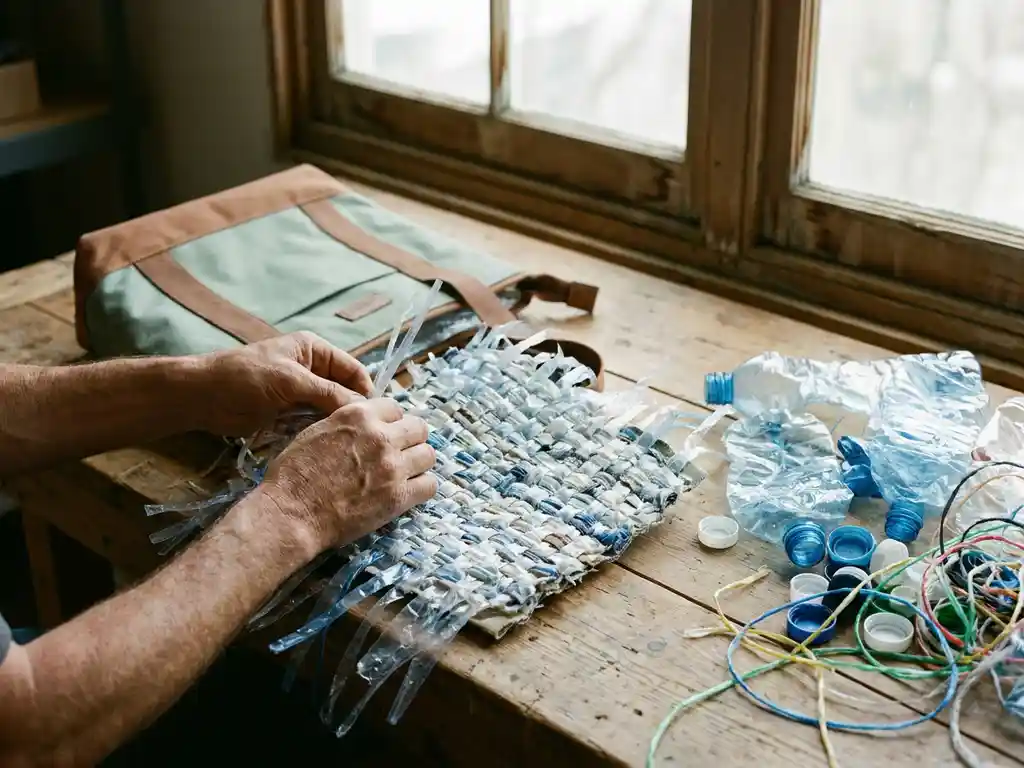
How is an eco cooler bag made from recycled material and what is the environmental impact?
An eco cooler bag made from recycled materials is made by converting plastic bottles and other waste into new polyester fibers. This process begins by collecting and sorting PET bottles, which are then washed, reduced to flakes and melted into new yarns. These yarns are woven into durable fabric for cooler bags that offer the same functionality as traditional models, but with a much lower environmental impact by reusing existing materials.
Why does plastic waste cost your business more than you think?
Companies often underestimate the hidden costs of disposable packaging and traditional cooler bags. Every plastic lunch container you hand out to employees contributes to the growing waste stream that will eventually cost your organization dearly. Not only through rising waste disposal costs, but also through reputational damage when customers and partners associate your company with environmental pollution. Modern consumers and business partners are consciously choosing organizations that take responsibility. By switching to reusable eco cooler bags made from recycled materials, you transform this cost into an investment in your brand image and future savings.
How does outdated thinking about corporate gifts hold back your sustainability goals?
Many organizations stick to traditional corporate gifts without thinking about the long-term impact. A common cooler bag that breaks down after one season creates more waste than solutions. This short-term thinking prevents your organization from making real progress in sustainability goals and wastes budget on products with no lasting value. By choosing high-quality eco cooler bags made from recycled materials, you are investing in gifts that will last for years, increase your brand visibility and actually contribute to circular economy goals.
What is an eco cooler bag made from recycled material?
An eco cooler bag made from recycled materials is an insulated bag made from recycled raw materials, mainly RPET polyester from recycled PET bottles. These cooler bags combine sustainability with functionality by giving existing plastic waste a second life as a high-quality textile fiber. The material retains all the insulating properties you would expect from a traditional cooler bag, but has a significantly lower carbon footprint.
The outer fabric consists of woven RPET fibers that are water-resistant and abrasion-resistant. The inside contains an insulating layer of PEVA or aluminum that effectively retains temperatures. Modern eco cooler bags often feature sturdy zippers, reinforced handles and extra pockets for maximum convenience. Due to their durable construction, these bags will last for years under normal use.
✉ Request price list →
How is recycled material turned into cooler bag fabric?
The production process of RPET fabric for eco cooler bags begins with the collection of used PET bottles from the waste disposal system. These bottles first go through a thorough sorting process in which labels, caps and other materials are removed. Next, the bottles are washed with hot water and eco-friendly detergents to eliminate all residues of the original contents.
After cleaning, the bottles are mechanically reduced to small flakes of about 8-10 millimeters. These PET flakes are again washed and checked for purity before going to the melting stage. In specialized ovens, the flakes are heated to 260 degrees Celsius, where they melt into a thick liquid.
This molten PET is pressed through spinnerettes, similar to shower heads with microscopic holes. This creates long, thin fibers that cool and harden into polyester yarns. These yarns are then spun into stronger threads and woven into the durable fabric used for eco cooler bags. The entire process requires about 60% less energy than producing new polyester fibers.
What environmental impact does an eco cooler bag have compared to a regular cooler bag?
An eco cooler bag made from recycled material has a significantly lower environmental impact than traditional cooler bags made from virgin materials. The production of RPET fabric requires 60% less energy and produces 32% less CO2 emissions compared to virgin polyester. Reusing existing PET bottles also reduces the demand for new petroleum products.
An average eco cooler bag saves about 12-15 PET bottles from the waste stream. These bottles would otherwise take hundreds of years to degrade in the environment. Water consumption during production is 20% lower because the recycling process requires less intensive chemical treatments than making new plastics.
Traditional cooler bags often contain materials that are difficult to recycle and usually end up in landfills after use. Eco cooler bags, on the other hand, are recyclable again into new products at the end of their useful life. This closes the circular loop and prevents materials from going to waste. Moreover, each purchase of recycled products stimulates demand for recycling technology and infrastructure.
How long does an eco cooler bag made from recycled material last?
A high-quality eco cooler bag made from recycled RPET material will last 3-5 years under normal use, comparable to traditional cooler bags. The lifespan depends on the quality of construction, type of use and maintenance. RPET fibers retain their strength and insulating properties throughout their lifespan, provided the bag is handled correctly.
For optimal durability, it is important to clean the cooler bag regularly with a damp cloth and mild soap. Avoid harsh detergents that can damage the water-resistant coating. Allow the bag to dry completely before storing it to prevent mold and bacterial growth. With heavy use, such as daily commuting or regular outdoor activities, the lifespan may be slightly shorter.
Its insulating properties remain stable throughout its life. Tests show that eco cooler bags still retain 95% of their original insulating capacity after three years of use. This means that your food and drinks will stay cool for the same amount of time as a new bag. When the cooler bag eventually wears out, the material can be recycled again into new products.
How Retulp is helping with sustainable cooling solutions
We offer an extensive collection of eco cooler bags made from recycled materials that perfectly fit your sustainability goals. Our cooler bags combine eco-friendly production with practical functionality and can be fully personalized with your logo or corporate identity.
- RPET cooler bags in various sizes, from compact lunch bags to large family cooler bags
- Waterproof models specially designed for outdoor activities and intensive use
- Professional printing with your brand identity for maximum visibility
- Transparent information on environmental impact and sustainability certifications
- Customization options for unique corporate and business gifts
We also offer additional sustainable lunch products such as food wraps and reusable lunch bags that pair perfectly with our eco cooler bags. Explore our full range at retulp.co.uk, request a price list for your organization, or contact us for personal advice on the best cooling solution for your needs.
Frequently Asked Questions
How can I judge the quality of an eco cooler bag before I buy?
Note the thickness of the RPET material (at least 600D for durability), the quality of the zippers (YKK or similar brand), and reinforced seams at handles and corners. Ask about certifications such as GRS (Global Recycled Standard) and check that the supplier is transparent about the recycling percentage of the material used.
Can eco cooler bags made from recycled material also be printed without affecting sustainability?
Yes, modern eco-friendly printing techniques such as screen printing with water-based inks or digital transfer have minimal environmental impact. Avoid PVC prints and opt for sustainable alternatives such as silicone transfers or embroidered logos that do not shorten the bag’s lifespan.
What should I do if the insulation of my eco cooler bag diminishes?
First check that the bag is completely dry and has no tears in the inner layer. Clean the inside thoroughly with baking soda to remove odors that may affect the insulation. If the insulation layer is damaged, a cooler bag repair kit may help temporarily, but replacement is usually the best option.
How big should an eco cooler bag be for different uses?
For daily lunch: 6-10 liters, for day trips: 15-20 liters, and for family picnics: 25-30 liters. Keep in mind insulation thickness reduces internal volume. A 20-liter cooler bag effectively has about 16-17 liters of usable space due to the insulation layer.
Are eco cooler bags suitable for both cold and hot products?
Yes, the insulation works both ways. Eco cooler bags keep hot meals at temperature for up to 4 hours and cold products cool for up to 8 hours, depending on outside temperature and pre-cooling. Use separate compartments or containers to avoid temperature mixing.
What is the cost of eco cooler bags compared to traditional alternatives?
Eco cooler bags initially cost 15-25% more than standard models, but are more cost-effective in the long run due to their longer life. With business purchases of 50 or more, the price differences become minimal, while you significantly contribute to sustainability goals and brand image.
How do I best maintain an eco cooler bag to maximize its lifespan?
Clean with lukewarm water and mild soap after each use, allow to dry completely before storage, and store in a dry place. Avoid direct sunlight when drying and do not use bleach. Check zippers monthly and lubricate with wax candle if necessary for smooth operation.
Related Articles
- How do you choose a gift that suits every colleague?
- What are the advantages of a BPA-free water bottle over a plastic bottle as a corporate gift?
- What makes a corporate gift truly unique and memorable?
- How to choose the perfect gift for business associates?
- What are timeless business gifts for business contacts?

