World Wildlife Fund Ambassador
Together in action to protect the oceans.
Retulp Business Suporter en dus Ambassadeur van het Wereld Natuur Fonds. Met onze support zet het Wereld Natuur Fonds zich in voor een plastic vrije zee. Dit is dan ook van groot belang voor het behoud van de natuur. Het WWF heeft namelijk onlangs geconcludeerd dat de productie van plastic rond 2040 zal verdubbelen, waardoor het plastic afval in de oceanen tegen 2050 verviervoudigt. Het is dus tijd om in actie te komen!
"Be one with nature"
The World Wildlife Fund is doing all it can to protect and restore biodiversity. This is desperately needed because the earth is being depleted more than it can handle. This is why WWF is committed to restoring the relationship between humans and nature, so that future generations can enjoy nature as much as we do. This is already being done in more than 100 different countries and on 6 continents. WWF focuses on 7 main topics: wildlife, forests, food, climate, freshwater, biodiversity and oceans.

Oceans
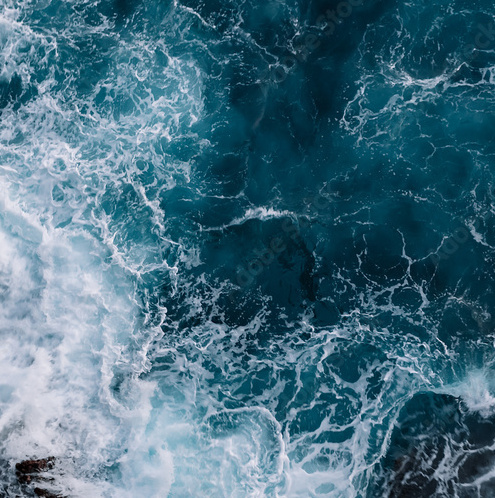
Worldwide, oceans produce more than half of the oxygen we breathe. They provide food and income for billions of people. Oceans are also home to many wild species. Due to the large amount of plastic entering the oceans, the oceans are threatened.
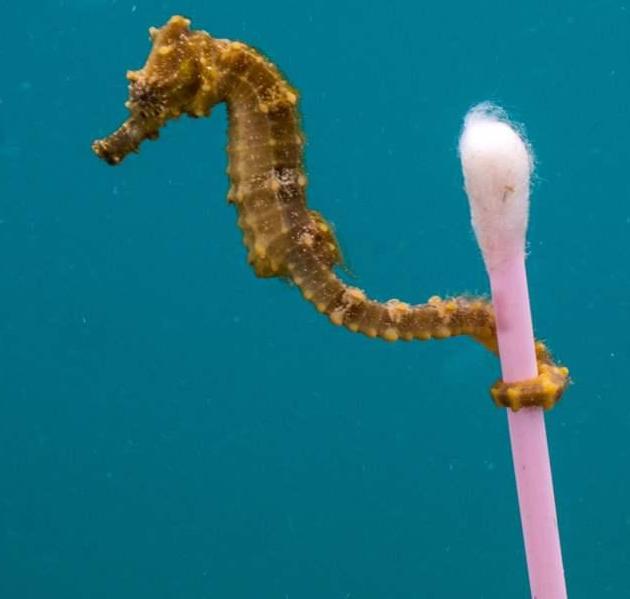
Because plastic cannot biodegrade, it stays around for years and falls apart into smaller and smaller pieces. All those tiny particles turn the oceans into a plastic soup. Every year, plastic kills millions of animals because they get caught in it or ingest it. This must and can be changed. The expected growth of plastic pollution in large parts of our oceans will have irreparable ecological consequences by the end of this century if no action is taken now to reduce plastic use and production.


Degradation of ecosystems
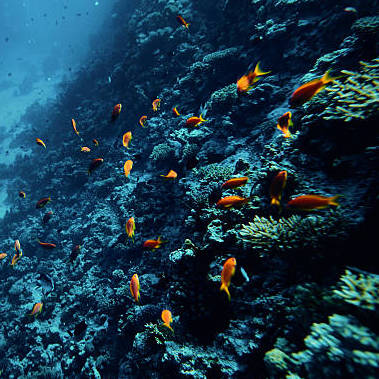
Particularly vulnerable wildlife such as coral reefs and mangrove forests suffer. These are the most productive marine areas in the world and therefore crucial ecosystems. Currently, we have already lost half of these coral reefs and mangroves. The overview report shows that in marine areas, with an area comparable to all EU countries, the ecological limits of microplastic concentrations will be exceeded by the end of this century.
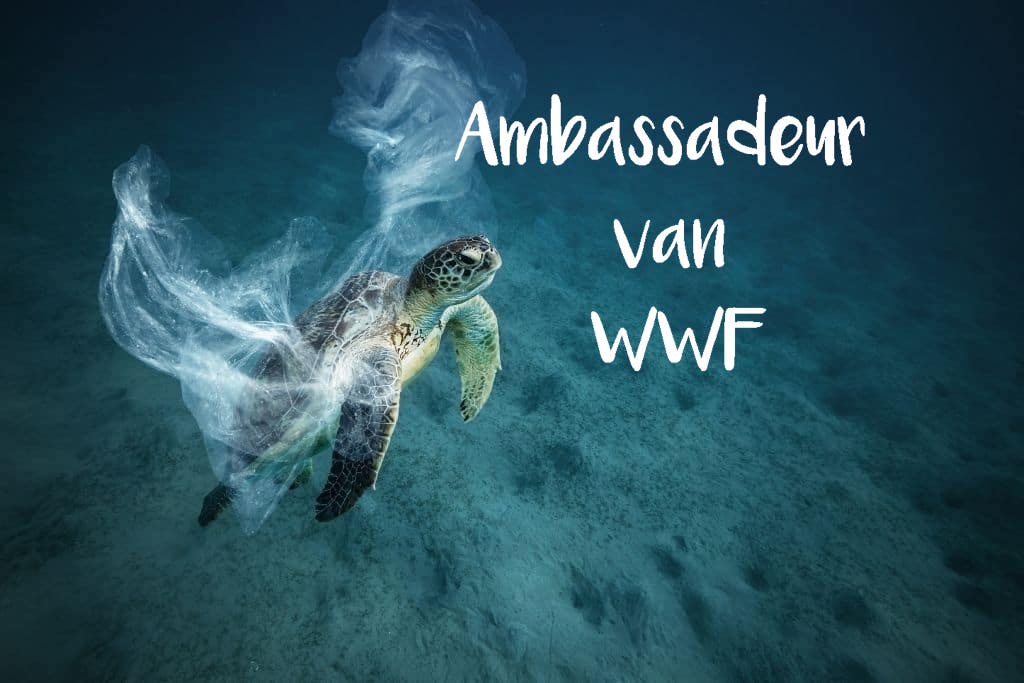
The threat to the oceans affects many species. From tiny planktonic creatures to the very largest animal on earth: the blue whale. It is estimated that 90% of seabirds and 52% of sea turtles have ingested plastic. This ranges from bits of plastic in the stomach, plastic debris stuck around an animal's neck to plasticizers in the blood.
The same mission
Het Wereld Natuur Fonds en Retulp richten zich allebei op de bescherming van leefgebieden en dieren. Veel van onze herbruikbare Retulp producten worden dan ook verkocht omdat wij op het gebied van oceanen dezelfde missie als het Wereld Natuur Fonds hebben: het tegengaan van de plastic soep.
Zowel Retulp als het WWF zetten zich in voor het behouden van de natuur en de biodiversiteit. Door herbruikbare producten te gebruiken, worden bergen wegwerpplastic voorkomen. Op deze manier kan de toenemende hoeveelheid afval dat in de oceanen terechtkomt worden tegengegaan. Help jij ook mee?