
How do you add a personal touch to standard corporate gifts?
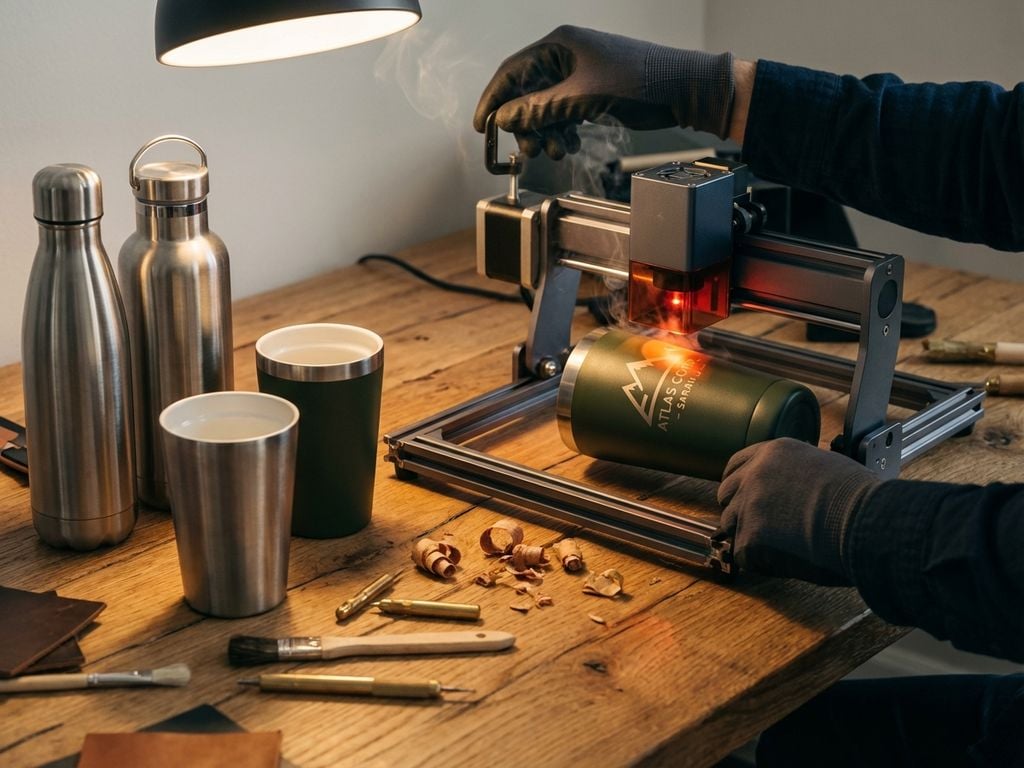
Personalized corporate gifts make standard items special by adding small but meaningful modifications. Think name engraving, thoughtful color choices and packaging that matches your company values. It's about showing personal attention and understanding what your target audience really values. This helps you transform gifts from generic items to valuable keepsakes that create a real connection.
Why do standard corporate gifts feel so impersonal?
Standard corporate gifts feel impersonal because they don't make an emotional connection with the recipient. They communicate that the giver spent little time or attention to understand what the recipient would truly appreciate. This lack of personal attention makes the gift feel more like an obligation than a genuine gesture.
The psychology behind gift giving is all about showing appreciation and building relationships. When someone receives a generic gift, it feels like a missed opportunity to make a meaningful connection. The gift is then often tucked away or forgotten, rather than becoming a positive memory of your company.
Common pitfalls with standard gifts include choosing items that everyone already has, ignoring personal preferences and not aligning with the values of your target audience. A generic pen or mug without any personalization shows little commitment to the recipient.
What simple tweaks make the biggest difference?
Small personalizations often have the biggest impact on how gifts are received. Name engraving is one of the most effective methods because it makes the gift unique to that specific person. Color choices that match personal preferences or corporate colors also make a gift much more personal.
Packaging plays an important role in the experience. A thoughtfully wrapped gift with a personally written card shows that you have invested time in the process. The moment you give the gift is also important: link it to a specific event, such as an anniversary, achievement or milestone.
Other low-effort, high-impact methods include choosing colors that match the recipient's personality, adding a personal message or selecting a variety that matches their hobbies or interests. These small tweaks transform a standard item into something that feels like it was chosen especially for them.
How do you choose gifts that really fit your target audience?
Understanding your target audience starts with analyzing their daily needs and values. Look at their lifestyle, work habits and what they value. For a group that travels a lot, practical items such as quality travel mugs and thermos to-go are valuable, while a team that works a lot in the office will benefit more from items that enhance their workplace.
Different audiences have different preferences. Young professionals often appreciate tech-related items or sustainable products that reflect their values. More experienced professionals often value quality and timeless elegance. Creative teams appreciate unique or artistic elements in their gifts.
Research what your target audience cares about by watching their social media, asking for feedback during conversations or simply observing what items they already use and appreciate. This will give you insight into what is truly useful and desirable to them.
What are creative ways to tell stories with gifts?
Gifts can tell powerful stories about your company values and mission. By choosing items that convey a meaningful message, you create an emotional connection that goes beyond the physical gift. For example, a sustainable water bottle tells the story of environmental awareness and responsibility.
Make gifts part of a larger narrative by linking them to a specific corporate value or social mission. Tell the story behind the gift: why you chose this particular item and what it means to your organization. This can be done through an enclosed card, a personal presentation or by linking the gift to a larger initiative.
Innovative approaches include creating a gift series that tells a story of growth, collaboration or innovation. You can also use seasonal gifts to tell different chapters of your corporate story, with each gift adding another layer to the relationship with your recipients.
How to make lasting gifts personal statements.
Durable gifts become personal statements by personalizing them with individual names, meaningful messages or colors that suit the recipient. A personalized reusable water bottle shows not only environmental awareness, but also that you appreciate the person as an individual and have invested time in a thoughtful gift.
Reusable products offer excellent opportunities for personalization and everyday use. Stainless steel thermos flasks and thermos cups, for example, can be engraved with names or company logos, making them both functional and meaningful. For companies looking for a complete sustainable approach, eco gadgets offer a wide range of opportunities to make personalized statements that align with modern sustainability values.
The power of personalized, sustainable gifts lies in the dual message they convey: respect for the environment and respect for the recipient. By choosing quality, reusable items that can be used daily, you create a lasting reminder of your company and values. These gifts are often used for years, ensuring that your brand visibility and the positive association with sustainability remains long-lasting.
Frequently Asked Questions
How long does it take to add personalized engraving to corporate gifts?
Turnaround time for engraving depends on complexity and number of items, but usually takes 3-7 business days. For urgent orders, many suppliers offer expedited service. So schedule your gifts early, especially around busy periods such as holidays or corporate events.
What is the cost of personalization compared to standard gifts?
Personalization usually adds 10-30% to the cost of standard gifts, depending on the complexity of the engraving or printing. However, this investment provides much more value in terms of brand recall and customer loyalty. Many suppliers offer discounts for larger quantities.
How do I keep personalized gifts from appearing too intimate or inappropriate?
Keep personalization professional by focusing on names, initials or business messages rather than personal details. Avoid overly informal language or references to private life. Test your message internally first and choose timeless, elegant designs that are appropriate in a variety of contexts.
What information do I need to choose the right gifts for my target audience?
Gather information about their work habits, age, job level and personal interests. Look at their current work tools, subtly ask about preferences during conversations and observe what they already use and value. Company culture and values of their organization are also important factors to consider.
How do I measure the success of my personalized gift strategy?
Measure success by collecting feedback from recipients, looking at increased engagement in follow-up communications and monitoring whether gifts are actually used. Brand recall and positive word-of-mouth are also indicators. Keep track of which types of personalization work best for future campaigns.
What do I do if I make a mistake in personalizing a gift?
Contact your supplier immediately to discuss the situation. Many professional suppliers have policies for correcting errors and can provide replacement items. Communicate transparently with the recipient about the error and show that you take it seriously—this can even strengthen your relationship.
Are there any cultural considerations when personalizing international corporate gifts?
Yes, different cultures have different expectations regarding gifts and personalization. Research local customs, the meanings of colors, and appropriate levels of personalization. In some cultures, overly personal gifts are considered inappropriate, while others place greater value on individual attention. If in doubt, consult local colleagues or cultural experts.
Related Articles
- Can you put together a Christmas gift basket with a name and company logo?
- What are some Christmas gifts for employees that offer lasting practical value?
- Which Christmas gift basket for employees is most likely to be kept?
- How do you choose eco-friendly gifts for business associates?
- What are the best employee appreciation gifts?

